

What to Know Barnet Council Rubbish Rules for Bulk Items
Posted on 28/08/2026
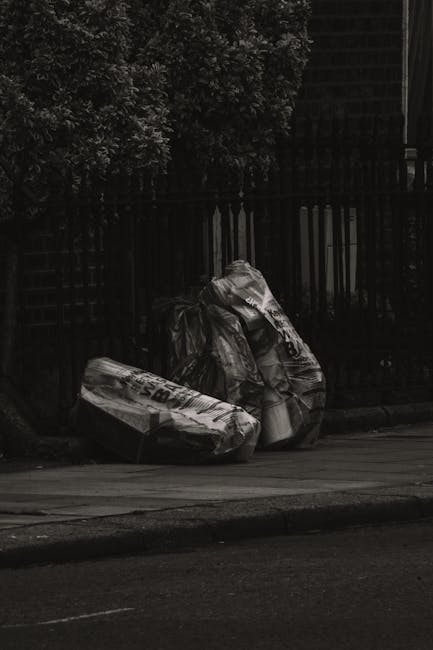
If you have a sofa leaning in the hallway, a broken wardrobe in the spare room, or a pile of old appliances that have somehow become part of the furniture, you are not alone. Bulk waste has a way of sitting there longer than it should, quietly taking over corners of the home. And if you're trying to work out what to know Barnet Council rubbish rules for bulk items, the practical question is usually simple: what can go, what cannot, and how do you get rid of it without making an expensive mess of things?
This guide breaks the topic down in plain English. We will cover how bulk item disposal usually works in Barnet, the sort of items councils commonly accept or reject, the mistakes that cause delays, and the best ways to stay on the right side of local rules. You will also find a step-by-step checklist, a comparison table, and some realistic examples from everyday life. No fluff. Just the stuff people actually need when the junk starts piling up.
Why What to Know Barnet Council Rubbish Rules for Bulk Items Matters
Bulk items are different from day-to-day household rubbish. A few bin bags are one thing; a mattress, broken chest freezer, or dining table is another. Councils tend to treat these items more carefully because they can be hard to lift, awkward to transport, and costly to process. That is why understanding the rules matters before you start dragging everything to the kerb at 7 a.m. and hoping for the best.
In practical terms, getting it wrong can mean missed collection, extra charges, or items left outside long enough to annoy neighbours. Nobody wants that. And if you live in a busy road or a block of flats, a wrong move can become everyone else's problem too. Let's face it, a damaged sofa on the pavement in the rain is not a lovely look.
The other reason this matters is waste separation. Some bulk items are recyclable, some need special handling, and some may contain materials that should not be mixed with general rubbish. When you know the rules, you can sort items faster, avoid rejected collections, and make a cleaner decision about whether council collection, reuse, or a professional service is the better fit.
For residents comparing disposal options, this is also where local guidance and broader service information help. If you are still mapping out the bigger picture, the site's services overview and recycling and sustainability information can help you think through what happens after collection, not just before it.
How What to Know Barnet Council Rubbish Rules for Bulk Items Works
The exact process can vary by council and by item type, but the logic is usually similar: bulk waste needs to be booked, presented correctly, and separated from items that need specialist treatment. Think of it as three checks rather than one.
1. Identify the item correctly
Start by asking what the item actually is. A wooden chair and a leather recliner are not the same disposal job. A small microwave is not the same as a fridge. Even when two items look similar, one may be accepted as ordinary bulky waste while the other could be classed as electrical or restricted waste. That little distinction matters more than people expect.
2. Check whether the item is accepted
Most councils have limits on what they will take as bulky waste. Commonly accepted items often include furniture, mattresses, and some household appliances, but this is not a free-for-all. Items that are dirty, contaminated, broken in a hazardous way, or mixed with other waste may be refused. If a mattress has been soaked in mould, for example, that is not just a disposal issue; it may be a handling issue too.
3. Present the item in the right way
Even when something is allowed, it still needs to be prepared properly. That often means placing it where collectors can reach it safely, making sure it is not blocking access, and following any booking time or collection window. Miss that part, and the collection can fail even if the item itself was eligible.
It is worth noting that many homeowners do not start with the rules at all; they start with the room. A loft in Finchley, a garage in East Barnet, a rented flat near the station - suddenly there is a whole mini-landfill to deal with. If that sounds familiar, a dedicated option like loft clearance can be the cleaner answer when the bulk item problem is part of a bigger clear-out.
Key Benefits and Practical Advantages
Following the rules does more than keep you compliant. It saves time, reduces hassle, and often makes the job cheaper overall. There is a very ordinary sort of relief in getting bulky waste dealt with without a second trip, extra phone call, or awkward apology to a neighbour.
- Less risk of rejection: You are more likely to get a successful collection first time.
- Better safety: Heavy or awkward objects are easier to handle when they are prepared properly.
- Cleaner streets and entrances: Useful if you live near shared frontages, narrow pavements, or flats.
- Better recycling outcomes: Items that are sorted well are easier to reuse or recycle.
- More predictable costs: You avoid the "oh, that wasn't included" moment nobody enjoys.
There is also a planning benefit. Once you know what counts as bulk waste, you can decide whether to schedule a council collection, arrange a private removal, or split the job into smaller parts. That makes a big difference if you are working around a move, a renovation, or a family change. People usually underestimate the hidden stress of bulky waste. Then a sofa appears in the hall and the whole week starts to feel different.
If your bulk items are part of a bigger household clearance, a more joined-up approach can save effort. For example, some people combine bulky furniture with a wider house clearance so the job is done in one visit rather than piecemeal over several weekends.
Who This Is For and When It Makes Sense
This topic matters to a lot more people than you might think. Bulk waste is not just a landlord problem or a house-move problem. It crops up whenever normal domestic life gets a bit cluttered, which is to say: all the time.
- Homeowners replacing sofas, wardrobes, beds, or white goods
- Tenants moving out and trying to leave the property tidy
- Landlords clearing left-behind furniture or damaged items
- Families dealing with end-of-life furniture or inherited household contents
- People renovating and removing old fixtures, cabinets, or appliances
- Small businesses replacing office furniture or storage units
It makes sense to use council rules when you have one or two eligible items and you are not in a rush. That is often the simplest route. But if the job is bigger, time-sensitive, or mixed with other waste streams, you may want a provider that handles broader collection needs. For example, an office refresh, a back-room purge, or a post-refurbishment clear-out can line up better with office clearance or general rubbish collection in Barnet.
A quick real-world note: if you are staring at a sofa, two broken chairs, and an old chest of drawers, the decision becomes less about theory and more about energy. What can be done quickly? What can be reused? What is going to be a pain to move down the stairs? Those are the useful questions.
Step-by-Step Guidance
Here is a practical way to handle bulk items without overthinking it. This works well whether you are dealing with one item or a small batch.
- List every bulk item you want removed. Write them down properly. "Old stuff from the spare room" is not specific enough.
- Sort by type. Group furniture, electricals, garden waste, and anything sharp or heavy.
- Check condition. Ask whether the item is clean enough, safe enough, and suitable for standard collection.
- Separate special items. Fridges, freezers, and some electrical goods can need different handling.
- Measure the awkward pieces. If it will not fit through the doorway without a wrestling match, prepare early.
- Choose the best route. Council collection, reuse, donation, or private removal.
- Prepare access. Clear paths, unlock gates, and make sure the collection point is safe.
- Take photos if needed. This can help with booking, quoting, or checking the item list later.
- Book in good time. Do not leave it until the evening before you need the room empty.
- Keep proof and notes. If the item is collected, you will want to know what was removed and when.
One small but useful habit: place a piece of masking tape on each item with its category, such as "furniture", "electrical", or "keep". It sounds almost too simple, but on a busy morning it stops a lot of confusion. And yes, it does make you feel mildly organised for about ten glorious minutes.
Expert Tips for Better Results
Most bulk waste problems are not really about the waste. They are about preparation. A few careful decisions early on can save a lot of back-and-forth later.
- Disassemble what you safely can. Flat-pack furniture, bed frames, and shelving are often easier to move in parts.
- Keep clean items separate from dirty ones. A usable chair and a stained mattress should not be treated the same way.
- Think in zones. One area for keep, one for bulk disposal, one for recycling. Simple, but effective.
- Choose collection timing carefully. Morning collections can be easier if your property gets busy later in the day.
- Be honest about volume. Understating the amount of waste is one of the quickest ways to create a pricing or logistics headache.
Another practical tip is to consider whether the job is really "bulk items only" or whether it is drifting into a fuller clearance. A single broken wardrobe is one thing. A spare room full of old furniture, boxes, and broken bits that seem to reproduce overnight? That is a bigger exercise. In those cases, a specialist furniture disposal service may be more efficient than trying to force it into a narrow council collection model.
Truth be told, the best results usually come from treating the job like a mini project rather than a chore. It sounds a bit grand for old chairs and a busted cabinet, but it works.
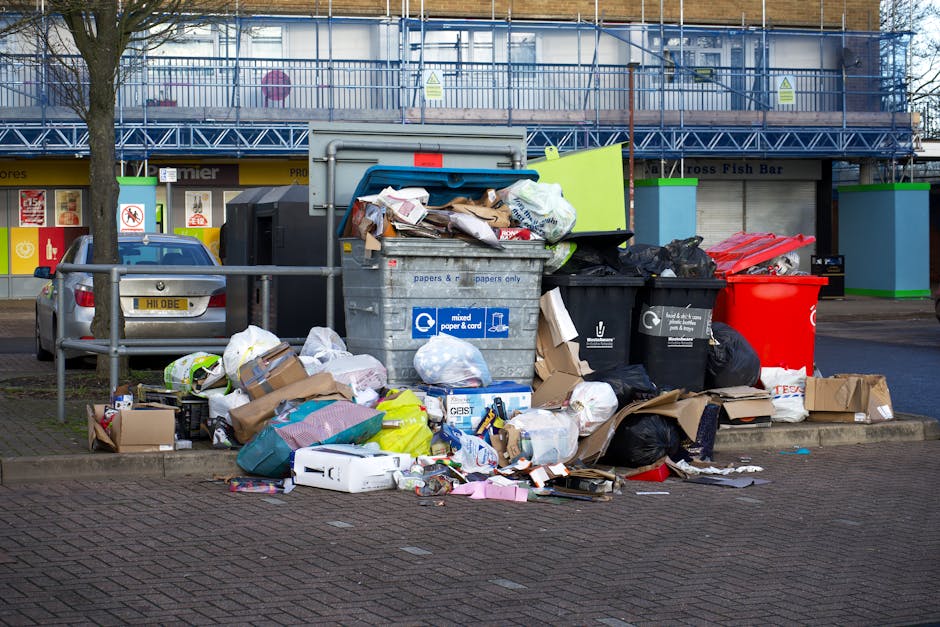
Common Mistakes to Avoid
A lot of bulk waste trouble comes from a handful of avoidable mistakes. Once you know them, they are easy to sidestep. Before then, they can be maddening.
- Leaving booking too late. Bulk collections are rarely instant, especially if you need a specific date.
- Mixing eligible and non-eligible items. One rejected item can complicate the whole collection.
- Blocking access. Items placed where crews cannot reach them safely may not be taken.
- Assuming all furniture counts the same. Upholstered items, white goods, and wood furniture may follow different handling rules.
- Forgetting about shared spaces. In flats or terraces, one bad placement can affect neighbours fast.
- Trying to hide extra waste in a bulk pile. That usually backfires. Not worth it.
There is also a common mindset error: treating bulk disposal like a one-size-fits-all decision. It is not. A clean sofa in decent condition, an old wardrobe from a loft, and an electrical item with wires sticking out are three very different problems. The more accurately you classify them, the fewer surprises you get.
And if you are tempted to "just leave it outside and hope", maybe take a breath and rethink. That strategy rarely ages well.
Tools, Resources and Recommendations
You do not need fancy equipment to deal with bulk items, but a few practical tools make the work much easier.
- Measuring tape: Useful for doors, stairwells, and awkward furniture.
- Marker labels or sticky notes: Handy for sorting items into categories.
- Work gloves: Especially when moving old wood, broken fittings, or dusty items from a loft or garage.
- Furniture sliders or a trolley: A real back-saver for heavier items.
- Phone camera: Helps you document condition and volume before collection.
- Strong bin bags or tape: For loose fixings, cushions, or dismantled parts.
For bigger clear-outs, it helps to use trusted local information alongside practical service pages. The site's waste clearance page can help when you need a broader solution than a single-item pickup, while the pricing and quotes page is useful if you are comparing how different types of removal are usually approached.
If you are thinking about disposal from a sustainability angle, this is where reuse comes into the picture. Sometimes the best bulk-item decision is not disposal at all. A usable table, chair, or bookcase can often be passed on, repaired, or repurposed. In local life, that makes more sense than sending decent items straight to waste. Simple as that.
Law, Compliance, Standards, or Best Practice
When you deal with rubbish in the UK, the broad principle is straightforward: waste should be handled safely, transferred responsibly, and managed by a legitimate collector where required. For residents, the exact council rules are what govern local bulk collections, but the wider best-practice idea is the same. Do not put out items that are restricted, unsafe, or likely to create a hazard for others.
Best practice also means being careful with items that could contain specialist materials. Fridges, freezers, and some electrical appliances should not be treated as ordinary furniture. The same goes for anything contaminated by chemicals, oil, mould, or other harmful substances. If you are unsure, treat caution as the default. That is the sensible route, even if it feels a bit fussy in the moment.
For landlords, letting agents, and property owners, good records help too. If bulk items are removed from a rental property or inherited home, keep a note of what went, when it went, and how it was handled. That can save awkward questions later, especially when several people are involved and everybody remembers the story slightly differently.
If your bulk items are linked to renovation or trade work, it is also worth separating domestic bulk rubbish from construction waste. Builders' debris is usually a different category entirely. For those situations, a dedicated builders waste disposal route is typically more appropriate than regular domestic bulky waste handling.
One more thing. Compliance is not just about avoiding problems; it is about good neighbour behaviour. On a street where space is tight and everyone is already juggling cars, deliveries, and bins, that matters more than people think.
Options, Methods, or Comparison Table
There is no single right answer for every household. The best method depends on item type, volume, urgency, and how much lifting you want to do yourself.
| Option | Best for | Pros | Trade-offs |
|---|---|---|---|
| Council bulk collection | One or a few eligible household items | Simple, local, usually straightforward | May have limits, booking delays, or item restrictions |
| Private rubbish removal | Mixed items, larger volumes, urgent clear-outs | Flexible timing, often faster, can take more in one go | Usually costs more than a basic council collection |
| House clearance | Whole rooms, moving, bereavement, downsizing | Useful when bulk items are part of a bigger job | Can be more involved than a simple pickup |
| Furniture-only disposal | Sofas, beds, wardrobes, tables, chairs | Focused and efficient for heavy household furniture | Not ideal if your waste includes multiple categories |
| Loft or garage clearance | Stored bulk items hidden away for years | Good for awkward access and mixed clutter | Often reveals more waste than expected |
For many households, the decision is not about "which method is best" in the abstract. It is about which one will be least annoying on a wet Tuesday with nowhere to store the stuff. That is usually the real test.
Case Study or Real-World Example
A fairly typical situation: a family in Barnet is preparing to move and discovers they have an old sofa, a dismantled bed base, two mattresses, and a wardrobe that no longer survives contact with modern stairs. The first thought is usually to stack it outside and deal with it later. The better move is to list the items, separate the mattresses from the furniture, and decide whether a council collection can genuinely handle the mix.
In this kind of case, the family often realises the job is bigger than a quick pickup. The sofa may be fine for a bulky collection, but the mattresses and wardrobe parts create a separate disposal picture. That is where a broader removal service starts to make sense, because it allows the whole set of items to be cleared in one organised visit rather than split across several days.
We have seen this kind of clear-out pair well with a property move, especially when rooms are being emptied fast and the useful items need to stay while the broken ones go. It is rarely dramatic. Just practical. A few hours, some clear labelling, a route free of trip hazards, and suddenly the room looks like a room again. Very satisfying, actually.
If your own situation feels similar, you might also find it helpful to read about a house clearance and recycling outcome in New Barnet. It is a useful reminder that a tidy result often comes from sorting well before collection day.
Practical Checklist
Use this quick checklist before you book or put out any bulk item.
- Have I identified each item clearly?
- Is the item eligible for the collection method I want to use?
- Have I separated furniture, electricals, and anything special?
- Do I know whether the item is too heavy, too large, or too awkward to move safely?
- Have I measured doorways, stairs, and access routes if needed?
- Is the item clean enough and safe enough for handling?
- Have I checked whether I need council collection or a broader clearance service?
- Is the collection area clear and accessible?
- Have I kept a note or photo of what is being removed?
- Have I left enough time before my move, refurb, or end-of-tenancy deadline?
If you can tick most of those off, you are already ahead of the game. Not glamorous, maybe, but effective.
Get a free quote today and see how much you can save.
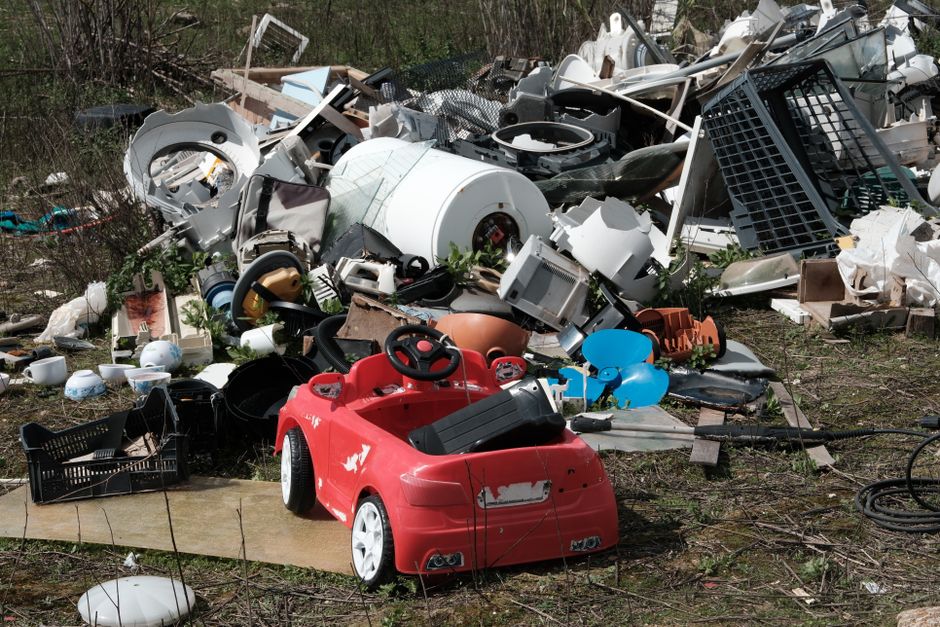
Conclusion
The main thing to know about Barnet Council rubbish rules for bulk items is that preparation wins. Once you understand what counts as bulk waste, what needs separate handling, and how to present items properly, the process becomes far less stressful. That is true whether you are clearing one heavy sofa or tackling a whole room of forgotten clutter.
It also helps to be realistic. Council collection can be the right choice for some jobs, but not all. If the waste is mixed, urgent, bulky, or tied to a larger household or property project, a more flexible clearance route may make life easier. Either way, the goal is the same: move the waste on safely, responsibly, and with as little drama as possible.
And honestly, once the bulky stuff is gone, the whole place feels lighter. You hear the echo in the room, the air moves a bit differently, and you wonder why you waited so long. Small victory, but a real one.
 Tipper Van - Waste Clearance and Garden Rubbish Disposal Prices in Barnet, EN5
 Luton Van - Waste Clearance and Garden Rubbish Disposal Prices in Barnet, EN5

